
How To Find And Store Water!
When it comes to thriving in a bad situation, being able to find and store water for the long term is important. Keep in mind that the average adult needs 1 gallon a day and that you need more than that for cleaning and showering, you can never have enough of it. So what is a person supposed to do?
Water acquisition and management is a priority for all of us always. Maintaining proper hydration is paramount for both physical and mental wellbeing. Dehydration can lead to fatigue, confusion, and a decline in overall cognitive function, significantly impairing your ability to make sound decisions and complete tasks.
A little preparation before any of your travels can solve a lot of your potential problems when it comes to finding water:
ACCESS
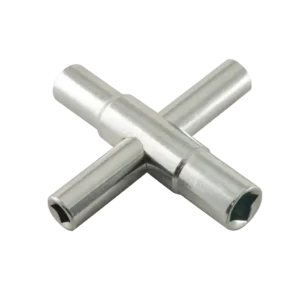
Not every scenario will have you looking to acquire water in nature. Having a 4-way water key as part of your everyday carry is a great way to ensure access to fresh water in an urban environment.
SPRINGS
Locating and finding a naturally flowing spring out in nature requires knowledge and skills above what most typically have in their survival repertoire. Finding already safe and accessible springs within your area, or whatever area you’re traveling to, requires a little bit of research on a website like Find A Spring or Alive Water.
COLLECT
BOIL
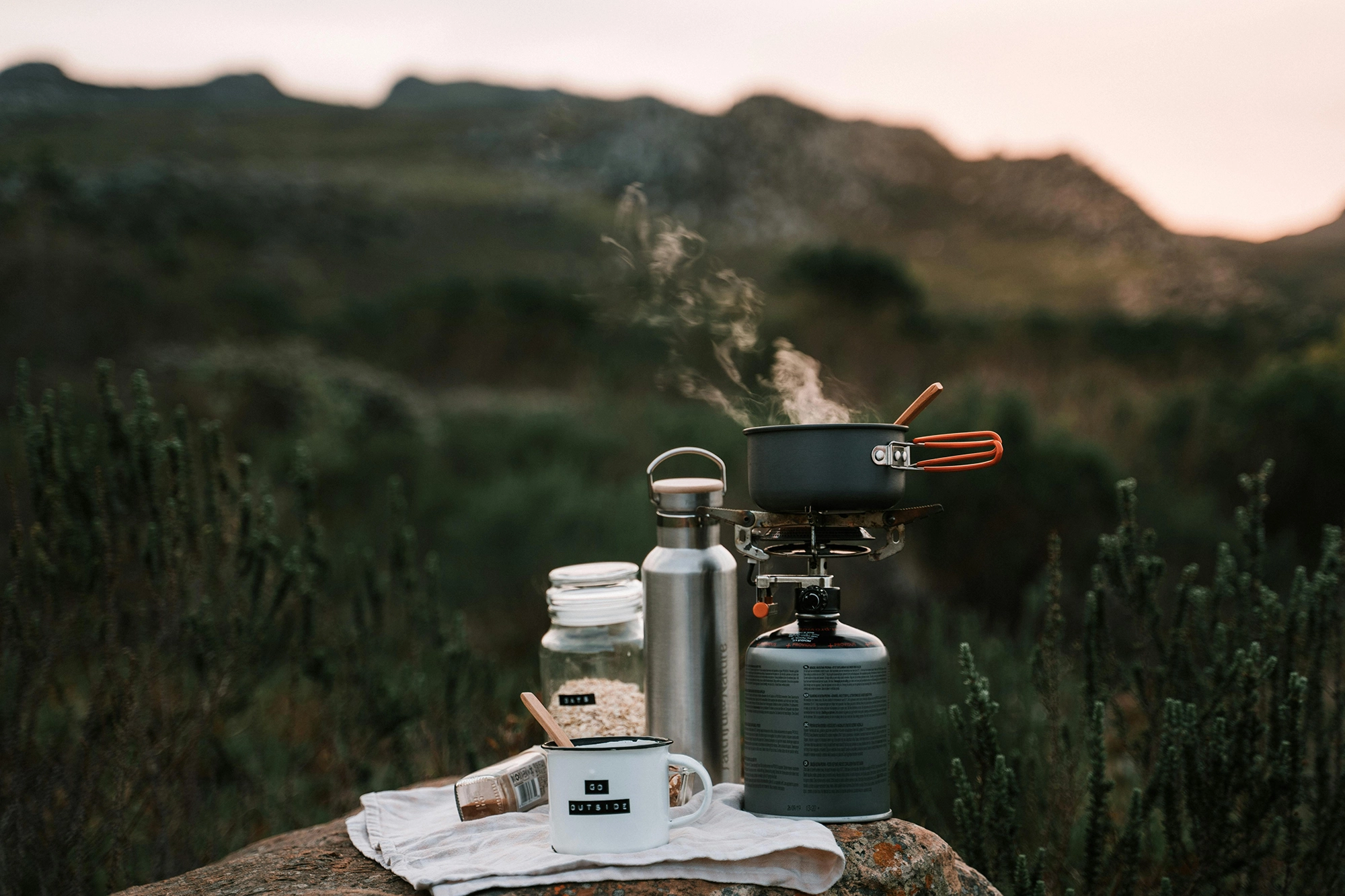
One of the oldest and most reliable ways of purifying water is boiling. You can eliminate harmful bacteria, parasites, and viruses by bringing water to a rolling boil for at least 5 minutes or longer if you’re in higher altitudes. Boiling won’t remove chemical contaminants, so it’s best used with other purification methods.
FILTER
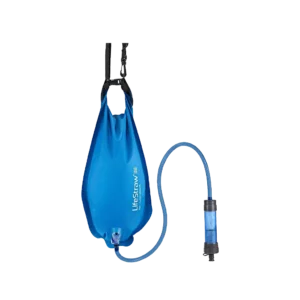
Another option is a portable water filter, an indispensable tool for disaster or survival. These compact devices effectively remove bacteria, protozoa, and even some viruses, providing a convenient and quick way to purify water in the field. If you want a more refined filter, the smaller the microns (the pores) in the filter, the more particles it will remove.
PURIFY
Water purification tablets or drops containing chlorine dioxide or iodine can also be a lifesaver. These tablets are small, weigh almost nothing, and will kill bacteria and viruses but may be less effective against certain parasites.
TECHNOLOGY
A UV-C light device is one of the last options but a solid choice if you are not planning to bug out. These are gaining popularity among those who want to ensure their bases are covered when treating water. These devices use ultraviolet light to disrupt the DNA of microorganisms, rendering them harmless. While effective, these tools rely on battery power, so it’s critical to have backup batteries or alternative methods to power the UV purifiers.
TARPS
Collecting rain is an excellent way to gather water; you do this by installing a rainwater harvesting system. Use tarps or other waterproof items to collect rainwater in containers. Purify it using your preferred method before consumption. If you plan on making this using your roof, it should be metal, not terracotta, slate, or shingles, because of debris and chemicals.
STORAGE
BOTTLES
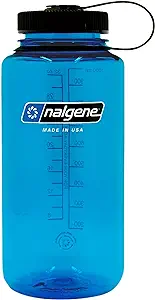
“Nalgene” and “water bottle” are often used synonymously which is a testament to this bottle’s growing popularity spanning over multiple decades. The wide-mouth bottle is as good as it gets for a durable, inexpensive and lightweight option.
CONTAINERS
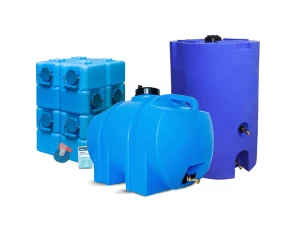
Water Containers and barrels are sturdy and portable and can be your best friend. Not all water storage methods are for human consumption which means your choices may have consequences. Make sure you opt for containers made from food-grade materials, such as high-density polyethylene (HDPE), and ensure they are BPA-free.
Remember to rotate your water storage to ensure freshness regularly. Water can develop a stale taste over time, and plastic containers may leach chemicals into the water if stored for extended periods. Having a plan to regain the used or even lost water is crucial because clean water won’t last forever, sadly.
BAGS

Collapsible water containers are great for saving space when empty and are great for storing filtered water to use as needed. These plastic bags tied around the branches of leafy trees. As the sun evaporates, water from the leaves collects in the bag. This method requires patience but can yield a small, steady supply.
SOLAR
Sticking with God’s gift, nature, you can create a solar still by digging a hole in the ground, placing a container in the center, and covering it with a transparent plastic sheet. As the sun heats the ground, moisture evaporates, condenses on the plastic, and drips into the container.
DUCT TAPE
Do not underestimate the variety of potential uses with this magical product. With some clever ingenuity you can come up with your own creation to make a cup or even a water bladder.

WHAT DID WE LEARN ABOUT WATER?
Always be prepared.
Three days without water is all you have, and the cramps and fatigue can get hellish on day one. Learning how to find and store water is a very useful skill to have especially since its not very hard to do so.